Our aim is to develop visual techniques to help understand the graph structure of networks, especially, small-world networks. Small-world networks are observed in many areas, from natural settings to artificially generated environments. Such networks have attracted the attention of a lot of researchers in various fields.
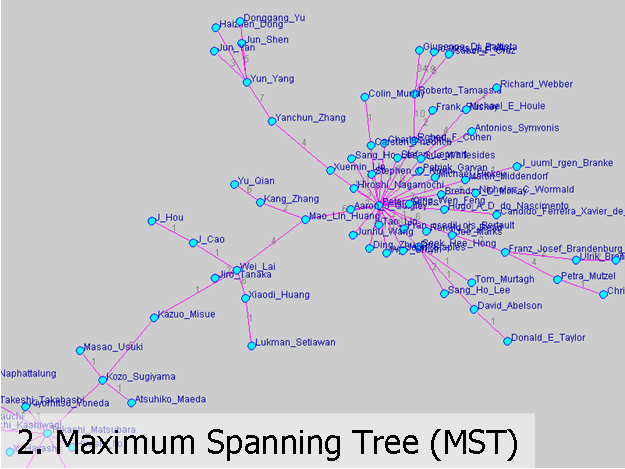
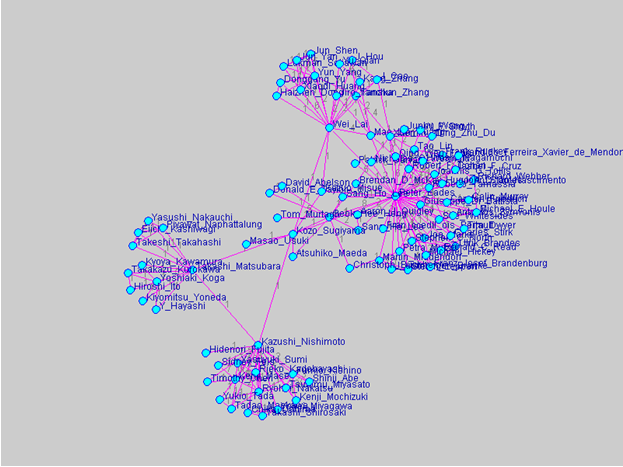
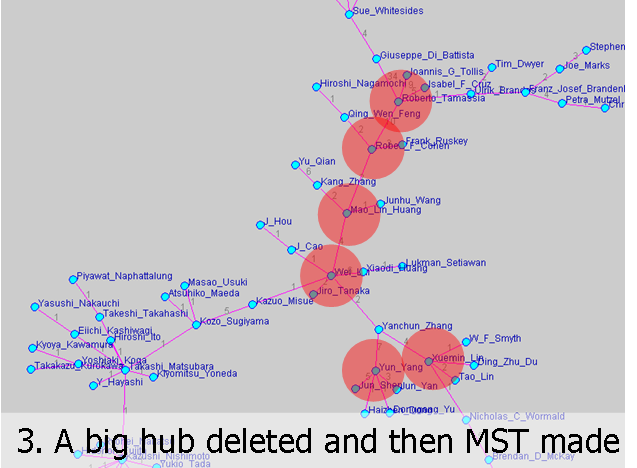
We seeks to illuminate the understanding of the graph structures of small-world networks. We puts particular focus on the clarification of medium- or small-scale structures that tend to be concealed by huge clusters. We proposed a technique which destroys networks structurally and visually presents the change in the layout of the networks. The feature and the effectiveness of the technique are examined through an experiment applied to a small-scale network.
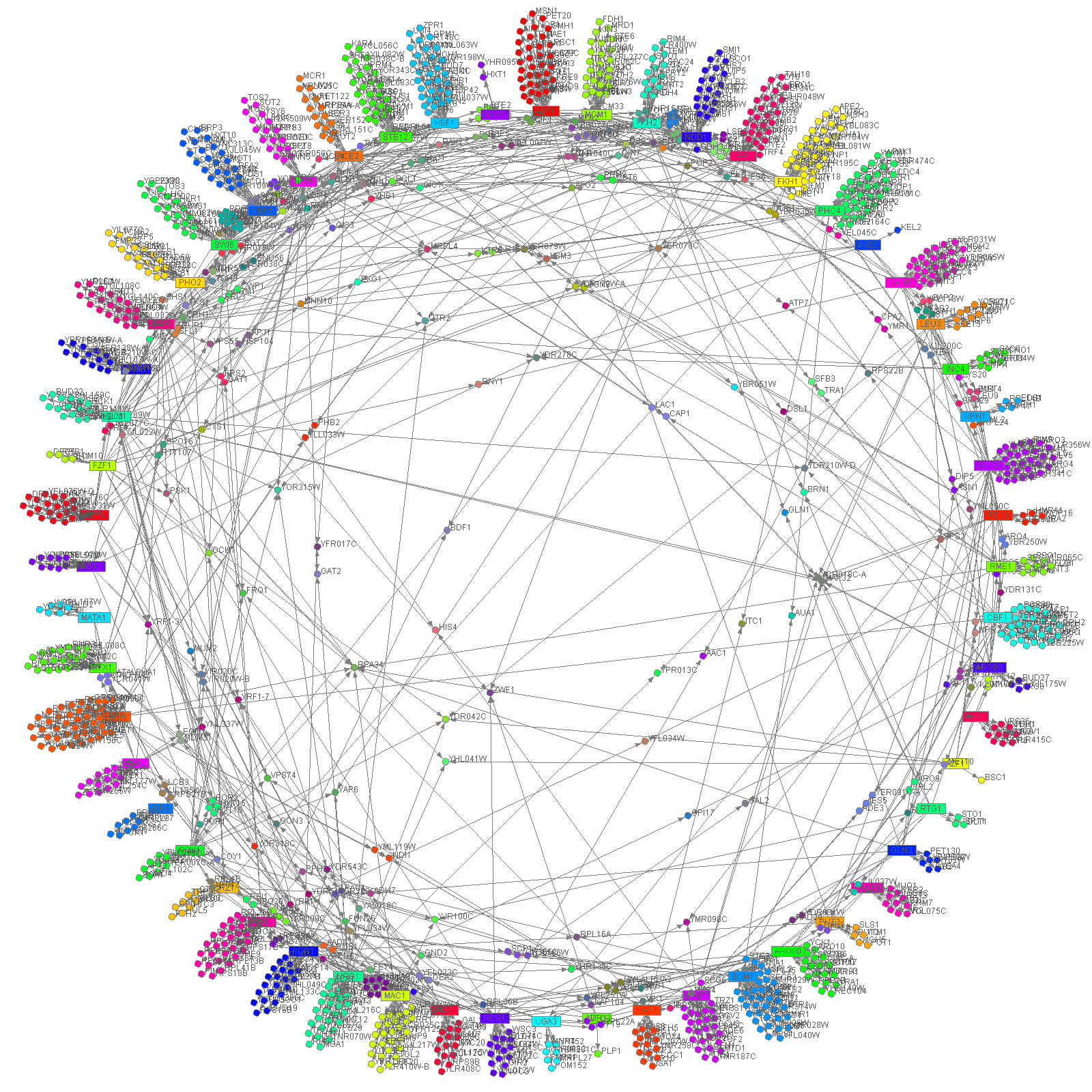
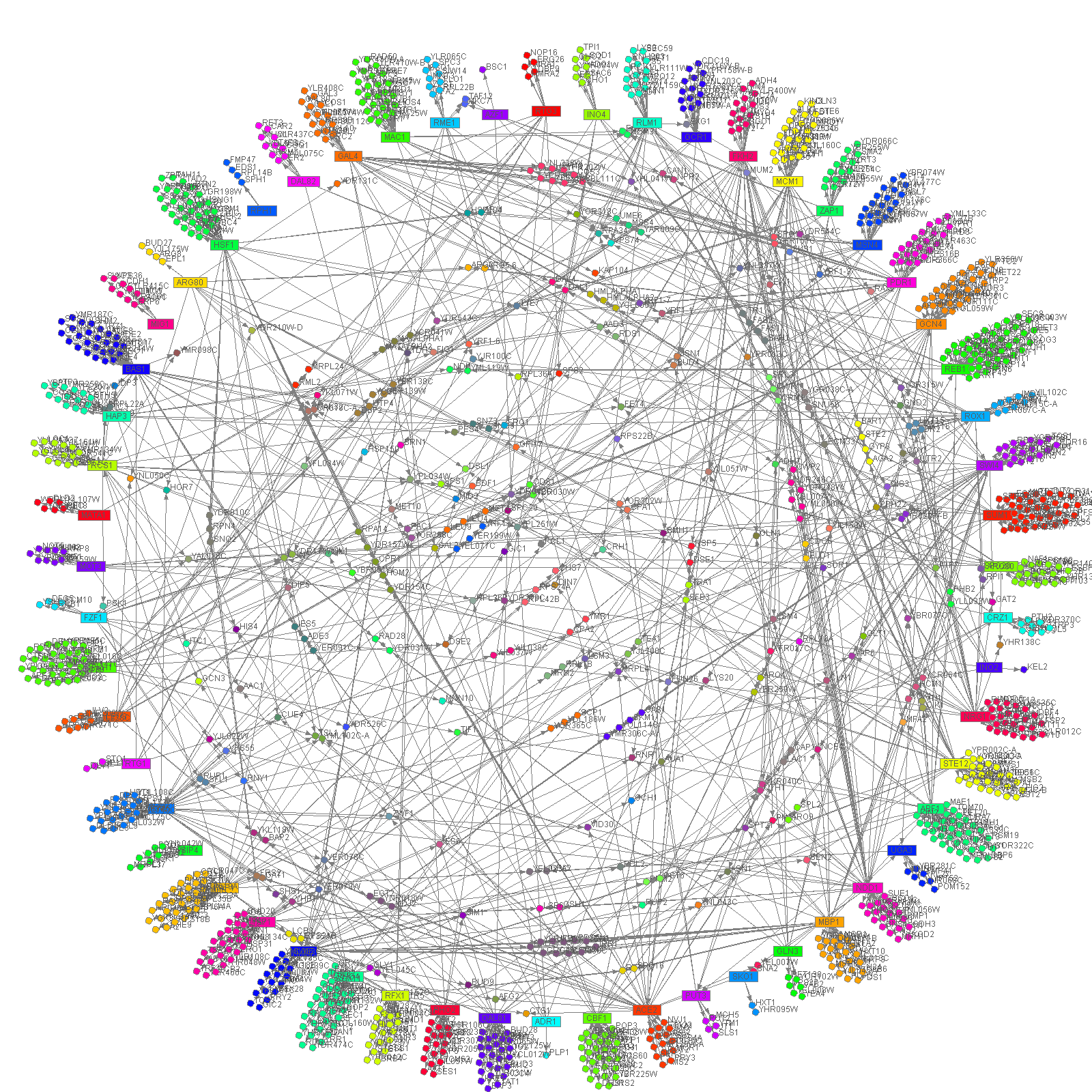
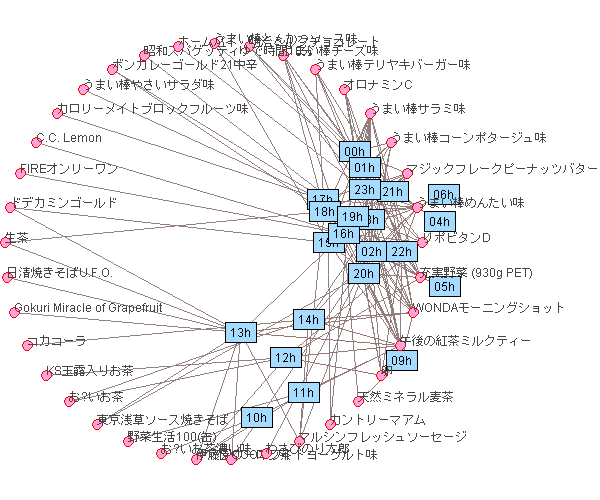
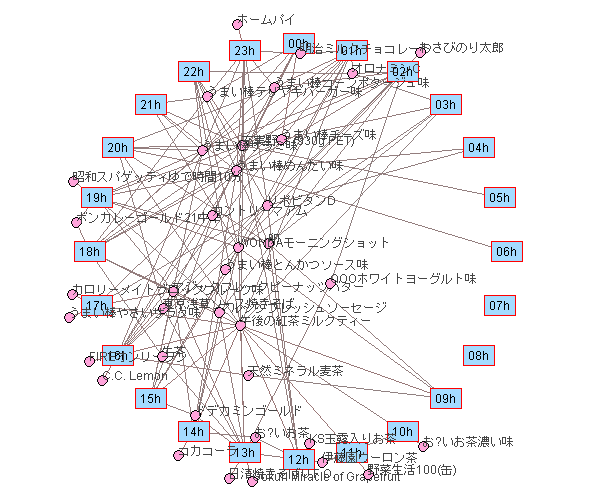
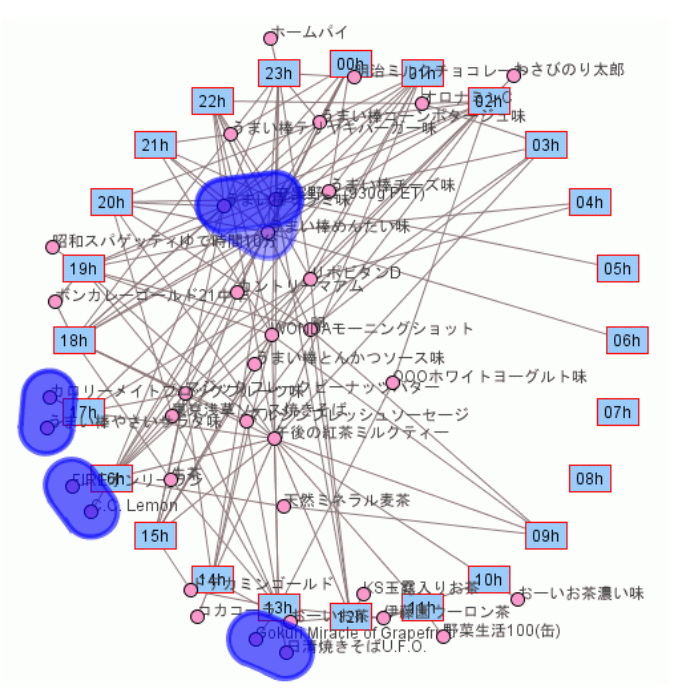
We have developed a method of drawing anchored maps for bipartite graphs. Suppose that the node set of a bipartite graph is divided into set A and set B. On an anchored map of the bipartite graph, the nodes in A, which are called ganchors,h are arranged on the circumference, and the nodes in B, which are called gfree nodes,h are arranged at suitable positions in relation to the adjacent anchors. We employed aesthetic criteria according to the purpose of drawing anchored maps and have implemented a method to arrange the anchor nodes so that they satisfy the criteria. The effectiveness of the proposed method is discussed in terms of the aesthetics of drawing results.